How strong is the dislike?
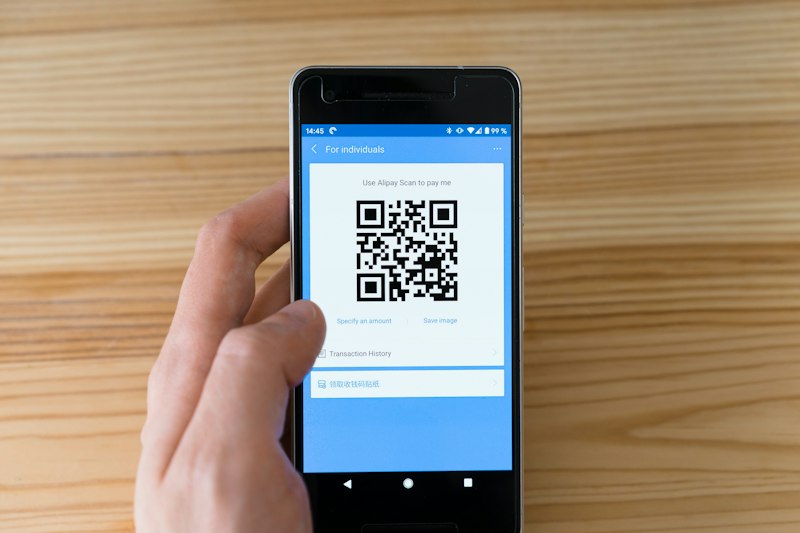
Strong enough to take seriously. The 88 percent comes from Technomic and, according to Yahoo News, refers to sit-down restaurants. The same report says QR codes may put some people off dining somewhere at all.
Two limits belong here. The number is from 2022, so it's not fresh. And it measures a preference, not how many guests really walk out over a missing menu. We found no comparable survey for Germany. Someone who prefers paper may still order from you, just a little annoyed.
What actually annoys guests?
Usually the execution more than the code. The report names slow loading, no signal, and worries about privacy and security. The US consumer agency, the FTC, also warns about harmful links in QR codes.
| What annoys | What helps |
|---|---|
| The menu takes ages to load | A fast mobile page instead of a big PDF file. |
| No signal in the room | Test it yourself at your worst table. If it fails, offer clearly visible Wi-Fi. |
| Tiny text, constant zooming | A menu built for phones, with search and clear sections. |
| Having to get a phone out | Offer paper without anyone having to ask. |
| Nobody comes to the table | Still greet people and take the order. A code doesn't replace a person. |
Should you go back to paper, then?
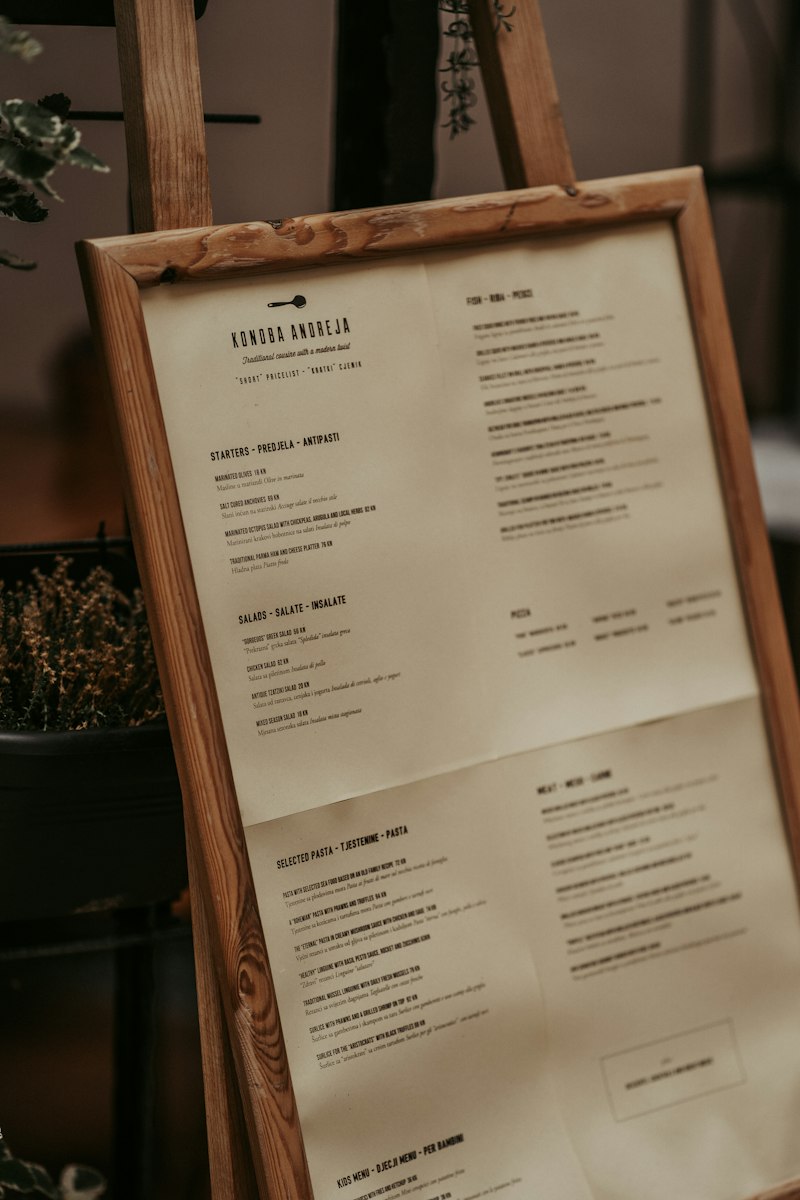
Not back, but as well. Paper and QR codes work well together, and in Germany Section 13 of the price rules is another reason to keep printed prices, as we explain in is a QR-only menu allowed. Digital can do what paper can't: change prices straight away, show allergens, offer several languages. For how to set one up, read how to make a QR code menu.
In a café where people order at the counter, it's often less of an issue, because there's a board on the wall anyway. At a restaurant with table service, a printed menu pays off most, especially for older regulars.
What does a phone menu that doesn't annoy people look like?
With NFCeez it works like this. From photos or a PDF of your menu, the AI builds a page made for phones instead of a PDF file, with Popular, categories and search. Guests open it by QR code or NFC sticker on your Smart Page, with no app, and read it in any of 25 languages. Allergens sit on the dish once you've confirmed them, and you change a price in the app. The limits: it doesn't replace paper or the price list by the entrance, and guests still order with your staff. The digital menu page shows what it looks like.
How do you find out about your own guests?
Don't run a survey, just watch. For two weeks, put printed menus next to the code and count each evening how often people asked for paper and how many tables scanned. Your own numbers say more than anyone else's survey.
Your next step: sit at your table with the worst signal today, scan your code and time how long it takes to see the menu.
How NFCeez does thisA menu for phones, next to the paper one.The AI turns your menu into a fast page with search and categories, in 25 languages. Guests need no app, and the printed menu stays on the table.See how it works