This answer covers German law. Elsewhere the rules differ, though the practical logic is much the same: agree it first, in writing.
What happens if nothing was agreed?
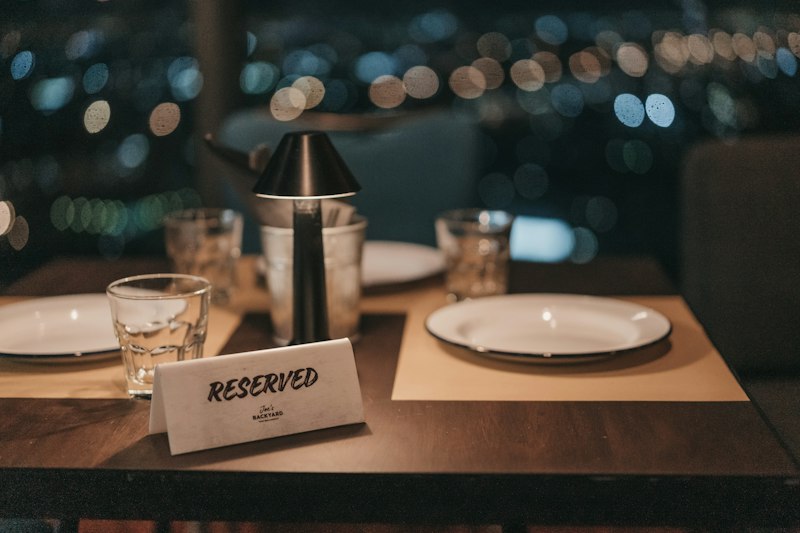
You have a claim on paper and very little chance in practice. According to HOGAPAGE, the hospitality association DEHOGA Bayern treats a reservation as a pre-contractual obligation. You would still need to show that you turned other guests away and what specific business you lost.
That proof is rarely available. Chasing an invoice after a quiet Tuesday mostly costs you time, and possibly a guest who would have come back.
What does a fee need to hold up?
Above all, active agreement before the booking. Tageskarte quotes the Bavarian consumer advice centre saying guests must be told clearly and in advance, and the article says silence doesn't count. For pre-written terms, Section 309 of the German Civil Code (BGB) adds its limits.
| Rule | What it means for you |
|---|---|
| Section 309 no. 5a | A flat fee can't exceed the loss you would normally expect. |
| Section 309 no. 5b | Guests must be expressly allowed to show that your loss was smaller or didn't happen. |
| Section 309 no. 6 | A contractual penalty for not taking up the service is invalid in such terms. Call it a flat rate and base it on your loss. |
| Cancellation window | Guests need a fair window to cancel for free. Tageskarte names 24 or 48 hours as usual. |
| Card details | Holding a card as security needs GDPR consent, according to Tageskarte. |
The 20 euros are made up. At the invented Restaurant Laterne it would work like this: 40 euros in sales per person, of which 12 euros goes on ingredients you don't use. That leaves 28 euros lost, so the fee sits below it. Run this with your own numbers. For your specific clause, the local chamber of commerce (IHK) can help.
Is it worth doing at all?
For a table for two in a café, usually not. For a party of twelve on a Saturday, often yes, because one missed group can sink the evening. Put the fee where the damage really happens and leave everything else free. Regulars accept a rule for big tables far more easily than one for every visit.
For what helps before it comes to that, read how to reduce no-shows.
How do you see in advance which booking matters most?
With NFCeez, guests request their table on your Smart Page with the day, time, party size and occasion. The request appears on your phone straight away, and one tap confirms or declines it. Guests get a six-digit booking number and a confirmation by email. So before you confirm, you know whether it's two people or twelve. The limit: NFCeez takes no payments, holds no card and charges no fee. Any flat fee is agreed and billed by you separately. More on table reservations.
Your next step: for four weeks, count missed bookings by party size. You'll see from which size a clause is worth the trouble.
How NFCeez does thisThe party size is right there in the request.Guests request a table on your Smart Page with party size and occasion, and you confirm in the app. NFCeez doesn't collect no-show fees; if you charge one, you agree it with the guest yourself.See how it works